Water Pressure Diagnosis in Holt, AL
We test static and flowing pressure for homes; access and the number of test points shape a typical $90–$200 diagnostic visit.
Near Holt High School, a shower that weakens when a toilet flushes can point to a supply problem shared across the home, not just a tired showerhead. We trace the change before recommending a repair.
Holt’s heavy spring rains can raise groundwater around private wells, so a sudden change in well-fed pressure deserves a check of the pump and water source. Hot, humid summers also increase indoor water use; when several fixtures run together, a marginal system may struggle to keep flow steady. Start with one simple check: compare two faucets, one at a time, and note whether both have weakened.
Our team serves Holt properties, including homes around Alberta City and Alberta Heights. We test the pressure, inspect accessible plumbing, and explain what the readings point to before replacing parts. Short and clear.
We’ll identify the likely source, discuss repair options, and complete the work you approve with care.
We test static and flowing pressure for homes; access and the number of test points shape a typical $90–$200 diagnostic visit.
We repair residential booster pumps, checking pump controls and connections; repair costs depend on pump size, parts, and access, with many jobs around $150–$500.
We trace sudden pressure loss for homeowners, checking household supply and connections; storm interruption near Point Mallard Park or Toomer's Corner can affect pumps and systems.
We install residential booster pumps sized for the system; typical projects run $800–$2,500, depending on pump capacity and electrical work.
We clear showerhead restrictions and address weak flow; typical repairs run $150–$500, depending on access and parts. Southern Holt, AL winters are mild, but summer irrigation can strain household use.
We restore weak well pressure for homeowners, checking pump controls and pressure equipment; typical repairs run $150–$1,200, depending on parts and well access.
We repair leaking home water lines, including buried sections; typical jobs run $300–$2,000, driven by leak location and excavation access.
Hot-water flow repairs for homes, including checks of heater connections and hot-side piping; scope and access shape the job cost.
Clogged water pipe repair clears debris and scale from residential lines; typical jobs run $150–$600, depending on pipe access and blockage severity.
We repair or replace residential pressure tanks, including tank and piping work; replacement commonly runs $500–$1,500, depending on tank capacity and piping access.
We repair or replace residential pressure regulators, including brass valves; typical work runs $250–$700 depending on valve size and labor. Nearby Bellingrath Gardens and Home, Bryant-Denny Stadium, and Chewacla Stat...
We repair whole-house filter housings, seals, and cartridge connections; Chewacla, the Tennessee Valley Museum of Art, and the University of Holt, AL help orient statewide service.
Well pump repairs for homeowners cover pump and control issues; typical jobs run $250–$1,200, depending on equipment access and parts.
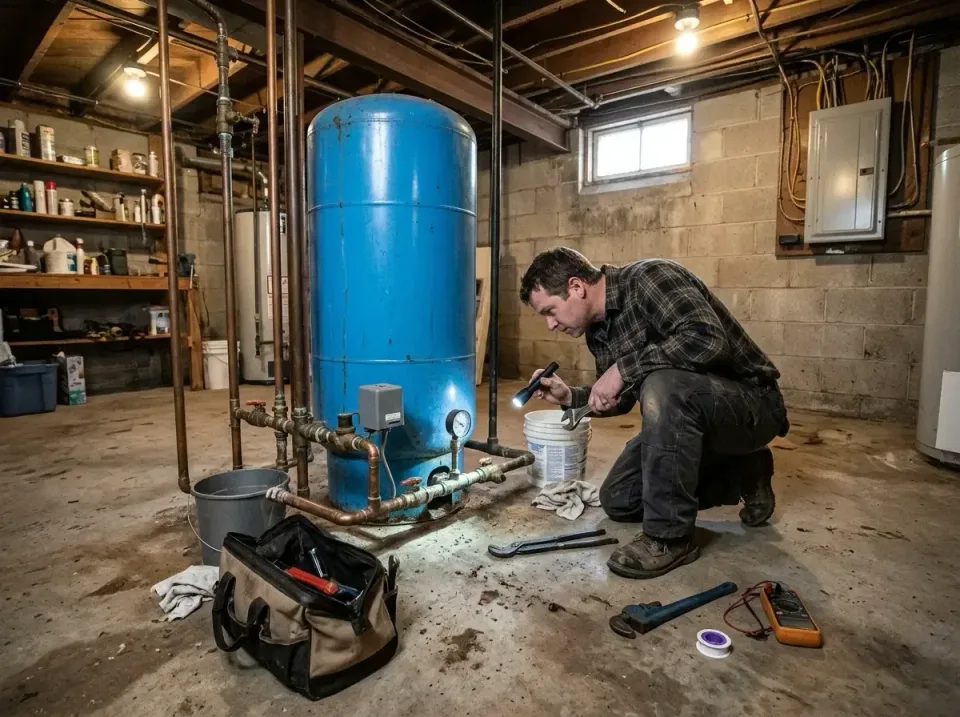
Holt’s older mill cottages and homes near the Black Warrior River can have different access and plumbing conditions, so we check the specific piping and water source rather than assume every weak tap has the same cause. Exposed plumbing in humid conditions can corrode over time; a visible green or rust-colored mark is a useful detail to show our technician.
Our licensed, insured, and bonded team schedules service for Holt residents, then checks the pressure problem and explains the likely repair in plain language. We’ll agree on the work with you before proceeding.
A kitchen faucet that barely trickles or weak upstairs flow calls for a comparison across fixtures. In Holt homes, we check whether the issue affects one tap or the whole supply, then inspect accessible valves, piping, and pressure equipment. You can safely test another faucet and note whether its flow is also low.
If the whole house has dropped pressure, our team checks the water source and system components; drought can reduce private-well yield, while freeze-thaw stress can affect outdoor connections. Severe storms may interrupt well pumps or booster systems, so tell us if the change followed a power outage. Don’t open electrical pump equipment yourself.
We serve Holt, including ZIP code 35404. Our diagnosis may lead to a pipe, pressure tank, or pump repair, depending on what testing shows. Call (877) 773-0781 when several fixtures remain weak or the pressure change persists.
After spring storms, localized flooding near the Black Warrior River can affect access to outdoor plumbing and well equipment; tell us if water has reached the area before we schedule inspection. Alabama rainfall varies between inland and coastal areas, so we assess Holt’s actual site conditions rather than assume another region’s water pattern applies.
Severe storms can interrupt well pumps and booster systems, leaving a home with weak or no flow even when interior fixtures look normal. Our team checks the water source and pump operation before suggesting parts. A pressure tank can also contribute to low household pressure; we inspect its condition and connections as part of the repair when symptoms point there.
Before we arrive, note whether the pump runs and whether multiple taps are affected. Keep clear of submerged electrical equipment. If pressure stays low around Holt Community Center, we can investigate the system and explain the next step.
We provide low-pressure repair throughout Holt, including Alberta City, where we compare flow at more than one fixture before narrowing the cause. In Alberta Heights, a weak upstairs faucet is a useful clue; tell us whether lower-level taps also run slowly.
Altamont residents can note whether pressure changed suddenly or declined over time, helping us focus the inspection. In Arcadia, check whether the kitchen and bathroom are affected together, but leave valves and pump equipment untouched.
We also serve Asbury, where outdoor plumbing access may affect the inspection plan, and Brentwood, where our team can test the system at the source and at household fixtures. Low hot-water flow and weak well-fed pressure need different checks, so report which taps are involved when scheduling. We’ll use that detail to prepare for the visit.
Get a clear diagnosis and repair options from a crew familiar with Alabama homes and water systems.
The crew checks fixtures, supply lines, pumps, tanks, and regulators to trace the cause before recommending work. That helps keep the repair focused on what the system actually needs.
After diagnosis, a technician reviews the findings and repair options with you before work begins. You can understand the proposed scope and ask questions before deciding how to proceed.
Eleven years in business and experience with older pipes, household regulators, well pumps, and pressure tanks inform the crew’s approach to low-pressure calls across Alabama.
The crew checks the system, explains its findings, and completes agreed repair work.
Coordinate Service
When you call, the team discusses the pressure concern and coordinates an appointment from Montgomery. Scheduling accounts for travel across Alabama, so you know the service timing before the visit.
Trace The Cause
A technician checks accessible fixtures and supply lines, tests pressure at an accessible hose bib, and compares readings with fixtures closed and flowing. This gives you a diagnosis based on system checks.
Complete Agreed Work
After you approve the repair scope, the technician carries out the agreed work and reviews the result with you. You get a clear account of what was addressed and any next steps.
An uneven stream from one faucet can point to a clogged aerator or a fixture issue. Notice whether cleaning the removable aerator changes the flow, and mention what you observe when arranging service.
Corrosion or staining around an exposed pipe joint can be a reason to pay attention to changing flow. Avoid disturbing the pipe; share where you noticed it so the inspection can include that area.
Heavy spring rains can affect conditions around rural water sources and well systems. If flow changes, a technician can check the water source and related equipment to help identify where pressure is being lost.
Long, hot summers can mean more household water use and more attention to steady flow. A pressure check can help distinguish a fixture concern from an issue involving supply lines, a pump, or a regulator.
Fall is a practical time to address pressure concerns before household routines change. A technician can inspect accessible fixtures and system components, then explain repair options for the condition found.
Winter service remains useful for diagnosing persistent low pressure, even when weather shifts between mild and cold. A system check can trace the cause through fixtures, supply lines, pumps, tanks, and regulators.
Permit needs can depend on the work involved and local requirements. Ask the provider to explain whether the proposed scope calls for a permit and who will confirm the applicable rules.
The team schedules from Montgomery and travels across Alabama, including rural communities. Ask how appointment timing is coordinated so you can plan for the visit and understand any travel-related scheduling details.
Ask how the proposed work, exclusions, and any written terms are presented before you agree. Reviewing the scope in advance helps you understand what the provider plans to do and what is not included.
Request a quote online or contact our Holt, AL team directly by phone or email.
The pressure drop can indicate that the home’s supply or piping is not maintaining flow under simultaneous demand. In Holt, note whether other fixtures also weaken, then have our team compare system pressure and inspect accessible components.
Run two faucets separately and note whether both are weak; check whether the change began after a storm or power interruption. Do not open pump electrical equipment. Our team can inspect the supply and pressure system.
Yes. A residential pressure gauge commonly reads 0–100 psi, and a static reading is taken with no water flowing. Our team compares it with a reading under demand because pressure can fall when fixtures run.
Low Water Pressure Repair is also available in these nearby communities across Alabama.