Cause First
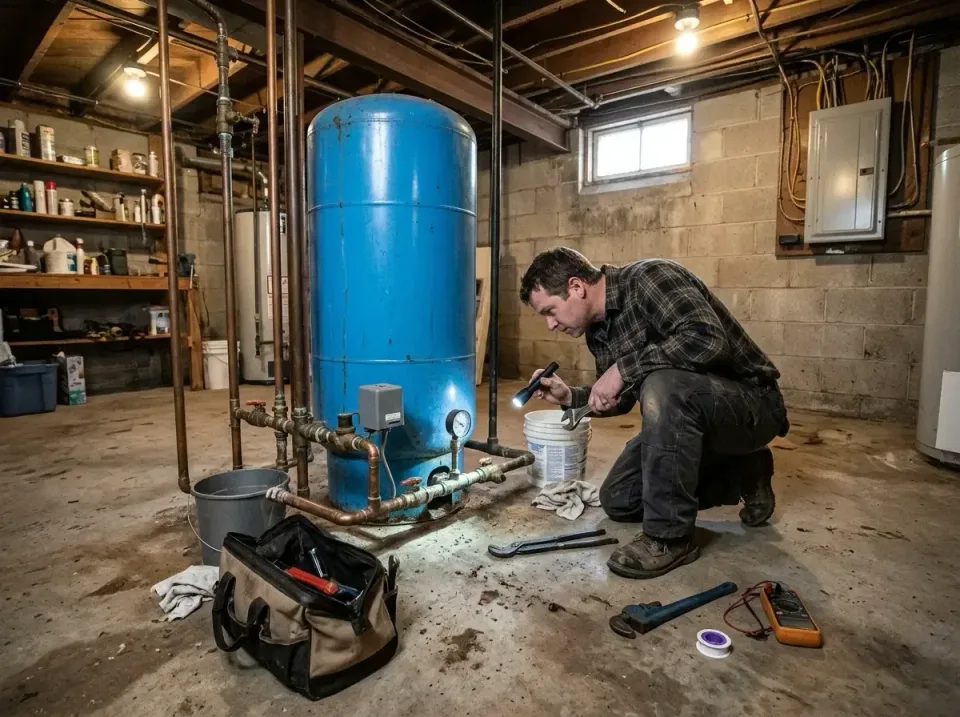
Technicians check fixtures, supply lines, pumps, tanks, and regulators to trace the source of weak pressure. You hear what they find before deciding which repair option fits the problem.
Stapleton’s raised crawlspace homes and rural properties can make a pressure problem harder to trace than a weak faucet suggests. We check the source before recommending a repair.
Hot, humid summers often mean more showers, laundry, and outdoor water use at the same time, so a marginal system may struggle during peak demand. Heavy rain can raise groundwater around wells; if your pressure changes after storms, tell our crew when it began and whether every fixture is affected. High humidity can also speed corrosion on exposed plumbing, making a visible connection worth mentioning during diagnosis.
Our team has served Stapleton for more than 11 years. We compare pressure at more than one fixture, inspect accessible plumbing, and explain what we find before any agreed repair begins. At Stapleton Community Park and across the rural community, property layouts and access vary, so clear information about your well, crawlspace, or pump helps us plan the visit.
If a kitchen faucet barely trickles or pressure has fallen throughout the house, call (877) 773-0781 to arrange service in Stapleton.
Stapleton Community Park is a familiar local point, and homes nearby share the area’s rural setting and Gulf Coast weather. Thunderstorms can interrupt power to a well pump; after an outage, note whether the pump runs and whether pressure returns when power is restored. Hurricane-season rain can also complicate access to outdoor equipment, so our crew confirms the site conditions before planning work.
We schedule a visit, check the pressure source and affected fixtures, then explain repair options in plain language before work proceeds. Our team has water well pump service training and more than 11 years serving Stapleton. Share any recent outage or plumbing work when booking; it helps us prepare.
A shower that weakens when a toilet flushes or a kitchen tap that barely trickles calls for a comparison, not an immediate parts swap. In Stapleton, drought can reduce private-well yield, so tell us if the trouble follows a dry spell. We check multiple fixtures and the well equipment before deciding whether the supply or household piping is at fault.
Outdoor connections can loosen or crack after freeze-thaw stress; after a pressure drop, safely look for wet soil or a visible leak near accessible plumbing. Our crew identifies likely causes and discusses repair options before work. We serve Stapleton ZIP codes 36578 and 36527.
Raised crawlspace homes around Stapleton can leave supply piping exposed to changing outdoor conditions, so we inspect accessible runs when several fixtures lose flow. Insulating pipes in crawlspaces and exterior walls helps reduce exposure to cold air; it does not fix a leak or blockage already affecting pressure.
Stapleton Community Park gives our crew a local reference when planning service, while each property’s crawlspace access still needs to be confirmed with the owner. Winters here are generally mild, but a cold snap can still make exposed connections worth checking.
Our team traces the pressure issue first, then determines whether a main water line repair or another agreed plumbing repair fits the findings. Before we arrive, clear a safe path to the crawlspace entrance if one is available.
For Stapleton repairs, the right rule depends on the work being done and the system involved. Do not assume a repair is exempt from permits or inspection unapproved work can create problems during later service or property review, so confirm requirements with the local authority for your address.
IPC Section 604.8 calls for a pressure-reducing valve when supply pressure exceeds 80 psi. That limit matters when a pressure test shows unusually high incoming pressure, even if the complaint is weak flow at a fixture.
The EPA Lead and Copper Rule applies to public water systems, not as a blanket household repair permit. We explain applicable requirements before agreed repairs.
Get a clear diagnosis and repair options explained before work begins.
Technicians check fixtures, supply lines, pumps, tanks, and regulators to trace the source of weak pressure. You hear what they find before deciding which repair option fits the problem.
Experience with older homes and rural well systems helps the crew consider more than one possible cause. Appointments are coordinated from Montgomery, with travel time planned for service across Alabama.
The crew explains the diagnosis and proposed scope in plain language before starting work. You can ask questions, understand what is included, and agree on the repair before the technician proceeds.
Each visit moves from understanding the concern to explaining the repair findings.
Discuss The Issue
Tell the team where pressure seems weak and when you notice it. They coordinate an appointment from Montgomery and allow for travel time, so you know what to expect for the visit.
Explain The Options
The technician reviews the diagnosis and available repair options with you before work begins. You can clarify the proposed scope and decide how to proceed with a better understanding of the issue.
Complete Agreed Work
After you approve the repair, the technician completes the agreed work and checks the affected system. You receive a clear explanation of what was addressed and any findings relevant to the repair.
Cloudy water can be an early clue that a plumbing or well-system concern deserves attention. Note whether it clears and whether it appears at more than one fixture. Share those details with the technician so they can consider the water source during diagnosis.
Unusual humming, rattling, or knocking near pipes or equipment can signal that something in the water system is changing. Pay attention to where the sound occurs and whether it happens during water use; that context can help guide an inspection.
Frequent Gulf thunderstorms can bring rainfall that affects rural water sources and makes system checks useful. If you notice a change after heavy rain, arrange an inspection so the technician can confirm the water source before troubleshooting a pump.
Long, hot, humid stretches can mean heavier household water use and more attention to reliable flow. A pressure check can help identify whether fixtures, supply lines, or system equipment need attention before everyday tasks become inconvenient.
Hurricane-season rainfall can leave homeowners wanting to check how their water system is performing. If flow changes after a storm, a technician can assess the source and related equipment, rather than assuming the pump is responsible.
Mild short winters still offer a practical time to address pressure concerns and review exposed plumbing or equipment. An inspection can help pinpoint whether the issue is at a fixture, supply line, tank, pump, or regulator.
Hot-Side Flow
Before: Hot water pressure is much lower than cold flow, leaving the source of the difference unclear. The concern may involve a fixture or another part of the plumbing system, so guessing at equipment replacement can miss the cause.
After: The technician checks the relevant fixtures and supply lines, then reviews the diagnosis and repair options with you before work begins. You have a clearer basis for choosing an agreed repair instead of replacing equipment without a diagnosis.
Permit requirements can depend on the work and local rules. Ask the provider to explain whether a permit applies and who will handle any required arrangements before work starts.
The team coordinates appointments from Montgomery and schedules service across Alabama, allowing for travel time between metro areas and rural communities. Ask about the expected visit window and how schedule changes are communicated.
A clear scope helps you understand which fixtures or system components will be checked and what repair work is proposed. Ask what is excluded, too, so you can make an informed decision before approving work.
Review the written scope, any stated exclusions, payment terms, and how additional work is approved. Knowing how changes are handled helps prevent confusion if the diagnosis points to work beyond the original plan.
Request a quote online or contact our Stapleton, AL team directly by phone or email.
Watch for these warning signs: visible damage, active leaks or water intrusion, unusual noises, rising energy bills, or a system older than 15–20 years. If you spot any of these, call us immediately for a free assessment early action prevents far costlier repairs.
Costs depend on the scope of work, materials, and your location. We provide a detailed written estimate before any work starts no hidden fees, no surprises. Call us or fill out the quote form above to get a number specific to your property.
Most requests receive a same-day or next-business-day response. For emergency situations, call us directly we maintain priority scheduling for urgent cases across States.
Yes. Every provider in our network carries the required state and local licenses, general liability insurance, and workers’ compensation coverage. We verify credentials before connecting you with anyone.
We operate across Alabama. Browse our state pages to find the cities we serve in your area.
Ask for proof of license and insurance, a written scope of work, a detailed cost breakdown, timeline, warranty terms, and references from recent local jobs. Never pay the full amount upfront.
Low Water Pressure Repair is also available in these nearby communities across Alabama.